CSG CLEANING INSIGHTS

Find all the latest CSG Cleaning news and insights below.

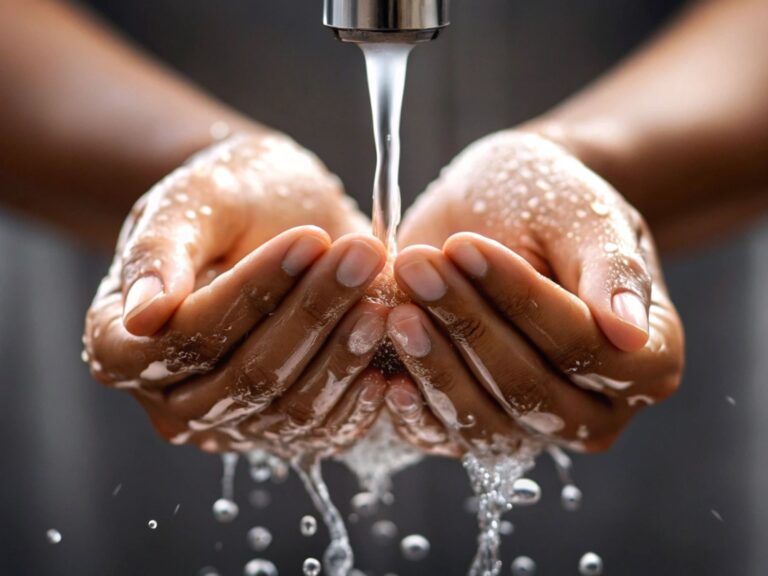
Person washing hands thoroughly 2

Hygiene in the Workplace: A Practical Guide to Cleaner, Healthier Facilities

Hygiene in the workplace depends on more than handwashing alone. It requires clean washrooms, maintained hygiene equipment, suitable consumables, regular attention to high-touch surfaces and structured cleaning routines across the facility. The importance of regular handwashing and good hygiene habits has received significant attention in recent years, and for good reason. South African health authorities continue to emphasise the role of hand hygiene in preventing disease. The Gauteng Department of Health describes regular hand hygiene as a simple but powerful routine that supports health at home, in the workplace and across the wider community. At CSG Cleaning, our teams see every day how strong hygiene practices help protect customers, visitors, staff and the properties we manage from unnecessary contamination. Hand hygiene is one of the simplest and most effective ways to break the chain of infection, but it works best when supported by the right facilities, equipment, cleaning routines and workplace culture. For facilities that need a dependable, managed solution, commercial hygiene equipment can help ensure essential washroom equipment remains available, maintained and suited to the needs of the workplace. Why Handwashing Is Still One of the Most Effective Hygiene Practices Workplace hygiene starts with personal hygiene. Washing your hands thoroughly is still one of the most effective ways to protect yourself and others from infectious diseases easily spread through contaminated hands. Throughout the day, our hands pick up an incredible number of microorganisms (germs) from: Door handles and railings Shared equipment Phones, keyboards and desks Cash, documents and packaging 84.5% of healthcare workers’ mobile phones were found to carry bacterial contamination, highlighting how easily frequently handled devices can contribute to the spread of microorganisms. We also touch our faces far more often than we realise, including our mouths, noses and eyes, which makes them easy entry points for these

Read More
Pest control in the workplace

Don’t Let Pests Bug Your Business: Pest Control in the Workplace 

While maintaining a clean and healthy work environment is essential for any business, pest control in the workplace goes beyond aesthetics. It directly impacts employee well-being, productivity, compliance, and even brand reputation, and pests can disrupt this balance fast. At CSG Cleaning, our business pest control services help workplaces prevent, identify and address pest activity through solutions shaped around the building, operating environment and level of risk. Whether you’re dealing with rodents, ants, flies, or termites, the right approach combines prevention, early detection, and targeted treatment. This guide will help you understand how to manage pests effectively and protect your work environment. The Dangers of Pests in the Workplace Pests are more than a nuisance. Their presence can lead to serious issues, including: Health hazards: Many pests carry and transmit diseases such as Salmonella and hantavirus. Allergic reactions: Rodent dander, cockroach droppings, and insect bites can trigger allergies and asthma. Property damage: Rodents can chew wiring, insulation, furniture, and stock, leading to costly repairs and downtime. Decreased morale: A workplace with visible pest activity can feel unpleasant and demotivating. Reputational damage: In hospitality, retail and office environments, pest activity can quickly harm customer trust, while inadequate hygiene within industrial facilities can also affect safety, equipment and operational continuity. Prevention Is Key The most effective pest control in the workplace starts with prevention. Here are practical steps you can implement immediately: Maintain a clean, sanitary environment Clean and disinfect kitchens, break rooms and shared areas regularly, scheduling commercial deep cleaning where grease, food residue or hidden build-up may not be addressed through routine cleaning alone. Empty lidded bins frequently and keep waste areas clean. Seal entry points Inspect for cracks, gaps, and holes around doors, windows, vents, and pipework. Seal openings to reduce pest access. Store food properly Use sealed containers

Read More
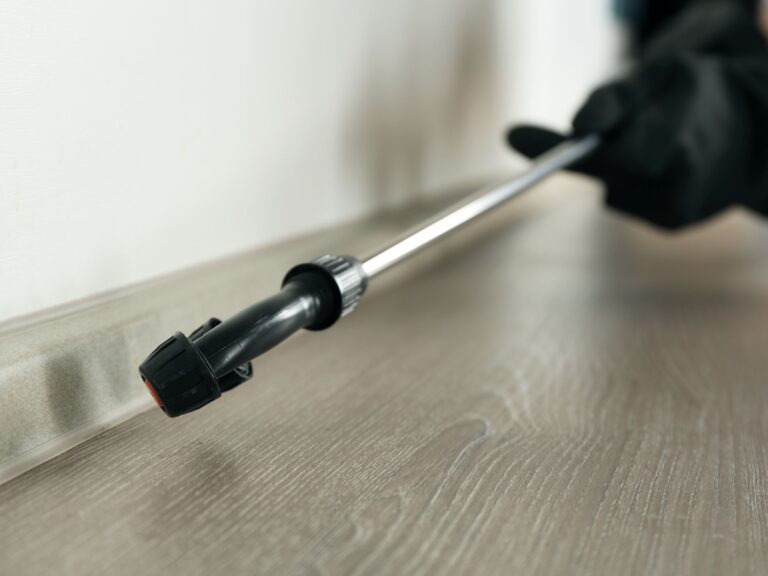
Pest control nozzle spraying a commercial space

The Benefits of Professional Pest Control for the Workplace

The benefits of professional pest control extend far beyond removing visible pests, helping businesses protect their people, premises and daily operations. An infestation can damage your reputation, disrupt operations and destroy equipment or stock. One international study found that 49% of businesses affected by rodents reported damage to electrical equipment, highlighting the operational and financial risks of leaving pest activity untreated. Some pests can also compromise parts of the building itself, particularly wood-damaging species. Workplace safety, cleanliness and compliance are non-negotiable in commercial environments, and pest management is part of maintaining them. Use professionals to reduce the threat of pests When is the best time to use professional pest control services? The honest answer is: before you have a problem. Having trained specialists assess your risks and implement preventative measures is valuable whether you’re: trying to avoid an infestation entirely, noticing early warning signs, or dealing with an active issue that needs fast, controlled action. If pests are already visible, there’s a good chance an infestation is forming behind the scenes. That’s why it often makes better sense to partner with experienced business pest control specialists from the start, and then maintain protection through regular inspections, monitoring and servicing. It’s also worth factoring in the true cost of DIY efforts: the time your team spends researching products, applying treatments, and managing the disruption often outweighs the cost of getting it handled professionally and correctly. Why should I use professional pest control services? Here are five practical reasons businesses choose professionals: Safe, compliant application of treatmentsLicensed pest controllers understand how to use products safely, responsibly, and in line with best practice. Incorrect use can create health risks and even potential legal exposure. Accurate identification and effective treatment plansMany infestations are well-established by the time they’re noticed. Professionals know how to identify

Read More
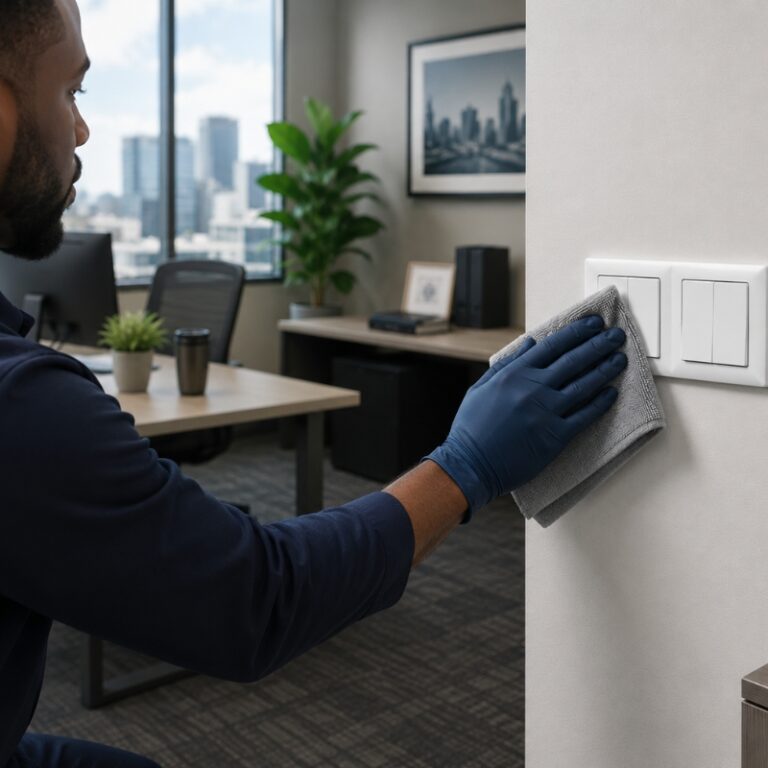
CSG Cleaning staff wiping down light switch in a commercial office environment

The Benefits of Outsourcing Cleaning Services for Your Business

The benefits of outsourcing cleaning services extend beyond convenience, giving businesses access to consistent professional standards without the administrative, operational and compliance burden of managing cleaning internally. Commercial and industrial environments require more than general cleaning. They need trained teams, suitable equipment, clear processes, on-site supervision and quality control that support hygiene, safety and sector-specific requirements. By outsourcing to an experienced commercial cleaning provider, businesses can reduce internal pressure, improve service consistency and implement a cleaning programme shaped around their operations, schedules and facility needs. Below are the key benefits businesses can gain from outsourcing their cleaning services. 1) Consistent standards (not “best effort” cleaning) Contract cleaning is built around schedules, checklists, supervision, and quality control. That means your site stays clean every day, not only when someone “has time”. 2) Less operational burden on your team Managing an in-house cleaning function takes time: recruiting and replacements leave, absenteeism, and performance management equipment purchasing and storage stock control for consumables and chemicals Outsourcing removes that load and keeps accountability clear. 3) Better safety and correct chemical handling Commercial cleaning involves chemicals, equipment, ladders, machinery, and wet-floor risks. A professional provider properly trains teams, applies safety procedures, and uses appropriate products for each surface and environment. 4) Access to specialist services when you need them One of the biggest reasons to outsource contract cleaning services is scalability: you can keep daily cleaning consistent while also having specialist support available for periodic or high-impact cleaning. CSG Cleaning’s contracted cleaning services can include: Contract cleaning Commercial upholstery cleaning for chairs, couches and other frequently used soft furnishings High access cleaning for ceilings, elevated structures and difficult-to-reach areas Corporate window cleaning for internal glass, exterior windows, façades and high-rise buildings Commercial deep cleaning, including detailed cleaning of kitchens, communal areas and spaces that routine

Read More
Happy teacher smiling

The Importance of Hygiene in Schools for a Healthier Learning Environment

The importance of hygiene in schools lies in creating a safe, healthy environment for learners, teachers and support staff. Classrooms are busy, high-contact spaces where desks, shared equipment and common areas are constantly in use, increasing the risk of germs and infections spreading when hygiene is not managed properly. By prioritising cleanliness and implementing structured school hygiene practices, schools can significantly reduce illness, absenteeism and disruption to learning. A structured educational facility cleaning programme can align classroom, restroom and shared-area cleaning with the school timetable, usage patterns and hygiene requirements. Why School Hygiene Matters In learning environments, infections spread rapidly because of: Shared surfaces (desks, keyboards, railings, toys) Frequent close interaction between learners Inconsistent or inadequate cleaning and disinfection routines Without a proper school hygiene programme that focuses on both cleaning and disinfecting, students and staff are exposed to harmful germs every time they touch contaminated surfaces. A consistent, well-planned cleaning and disinfection schedule can: Reduce the spread of viruses and bacteria Lower absenteeism among learners and staff Create a more comfortable, focused learning environment In short, school hygiene is not a “nice-to-have” – it’s a key part of safeguarding the school community. High-Touch Surfaces: An Essential Focus for School Hygiene South Africa’s National Institute for Communicable Diseases recommends regularly disinfecting classrooms, desks and high-touch surfaces, while shared items such as toys, books and learning materials should be cleaned daily. In educational environments, some of the most contaminated surfaces typically include: Desks and workstations Keyboards, mice and shared devices Door handles and railings Classroom equipment and toys Taps, flush handles and bathroom surfaces Schools should establish clear, written procedures for: Daily cleaning and disinfection of high-touch surfaces Increased frequency in high-usage areas (bathrooms, staff rooms, computer labs, canteens) Using appropriate cleaning products suited to educational environments Well-designed school hygiene protocols

Read More
The building blocks of pest control

Seasonal pest control tips for cleaning and hygiene: protect hygiene with smarter cleaning

Seasonal pest control tips for cleaning and hygiene are essential for facility managers who want to maintain clean, hygienic, and pest-free buildings. Pests don’t just live in dirty corners; they thrive in the everyday spaces we often overlook: kitchens, storerooms, bins, drain areas, and even office breakrooms. And where pests go, contamination follows. From spreading bacteria and triggering allergies to compromising health and safety compliance, pests pose serious risks to organisations, especially those in healthcare, hospitality, education, and food service. That’s why a proactive pest prevention strategy is critical. A structured business pest control plan considers pest activity alongside food storage, waste handling, cleaning cycles, moisture and potential entry points, helping facilities address both current problems and the conditions that allow them to return. Why seasonal pest control tips for cleaning and hygiene matter Pest behaviour changes with the seasons, especially in South Africa, where our climate swings from hot and humid summers to cold, dry winters. During warmer months, insects tend to thrive outdoors, while winter drives rodents and cockroaches inside in search of warmth, food, and shelter. That’s why using seasonal pest control tips for cleaning and hygiene can make a real difference. By aligning cleaning routines with seasonal pest patterns, facilities managers can prevent contamination, improve hygiene, and protect brand reputation, reducing overall costs. Spring & Summer: The cleaning hotspots that attract pests In warmer weather, pests are more active, and even slight lapses in cleaning can lead to infestations, especially in food prep areas, waste disposal zones, and kitchens. Common warm-weather pests in indoor environments: Ants often gather around sugary spills, crumbs, moisture and unsealed bins. Cockroaches hide in damp kitchen cupboards, drains, and equipment areas. Flies are commonly attracted to food waste, bin storage areas, drains and poorly maintained cleaning stations. Rodents leave hazardous droppings around loading

Read More
Hand hygiene in public health

The Importance of Hand Hygiene in Public Health

The importance of hand hygiene in public health lies in its ability to prevent the spread of infections across workplaces, schools, healthcare facilities and public spaces, yet it is still not practised consistently enough. Global initiatives like World Hand Hygiene Day (5 May) exist for a reason: they highlight just how powerful clean hands are in protecting communities. Despite widespread awareness, gaps remain. Many facilities still lack basic hand hygiene infrastructure; others have the equipment but not the culture or habits to support regular use. Bridging this gap is essential if we want to reduce infections and protect employees, customers, patients and visitors. The Importance of Hand Hygiene in Preventing Infections Good hand hygiene in public health is a frontline defence against disease transmission. According to the World Health Organization (WHO), effective hand hygiene can: Reduce diarrhoeal illness by approximately 30% Reduce acute respiratory infections by approximately 17% Help protect people across workplaces, schools, public spaces and other shared environments Hands pick up microorganisms from every surface we touch: door handles, railings, equipment, cash, shared tools and devices. Without proper hygiene, these germs are easily transferred to our faces, food, colleagues and families. An observational study found that participants touched their faces an average of 23 times per hour, with 44% of those touches involving the mouth, nose or eyes. This shows how easily contaminated hands can create a pathway for microorganisms. Simple, consistent practices make a measurable difference: Washing hands with soap and water for at least 20 seconds Using alcohol-based hand sanitiser when water is not available Cleaning and disinfecting high-touch surfaces alongside hand hygiene When embedded into daily routines, these habits help break chains of transmission in offices, schools, malls, factories and healthcare settings. The Role of Facility Managers and Organisations Facility managers and business leaders are

Read More
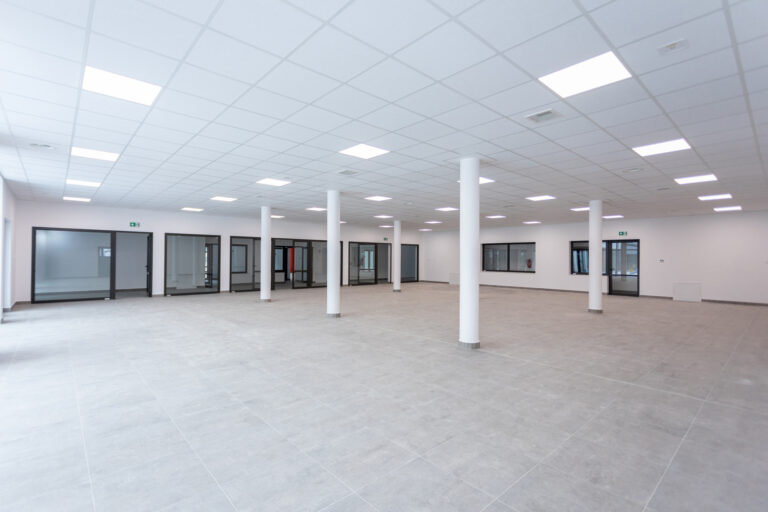
White boxing in commercial real estate

White Boxing in Commercial Real Estate: A Blank Canvas for Your Business

You may have heard the term white boxing in commercial real estate, but what does it actually mean? For businesses moving into new premises, white boxing often describes the moment you find the perfect location… and walk into what is essentially a clean, functional “white shell”. That “shell” isn’t unfinished in a sloppy way; it’s intentionally returned to a neutral, usable baseline through processes such as post-occupation cleaning, allowing the next tenant to tailor the space to their brand and operational needs. What exactly is white boxing in commercial real estate? White boxing is the process of bringing a commercial unit back to a standard, move-in-ready condition (without completing a full tenant-specific fit-out). In most cases, this includes: Finished walls that are plastered and painted in a neutral white Basic flooring, often a levelled concrete slab prepared for the tenant’s chosen finish A suspended or painted ceiling in a neutral finish Basic functional lighting, typically fluorescent or LED strip lighting Essential electricals, such as basic outlets and wiring ready for connection Basic plumbing provisions, including capped connection points for water and drainage HVAC provisions (either a basic system or infrastructure for the tenant to add their own) Fire detection and suppression systems aligned with local requirements The objective is simple: a clean, safe, compliant space that’s ready for the next phase. Before the new tenant begins fitting out or operating from the premises, professional pre-occupation cleaning can remove remaining construction dust, marks and residue so the space is ready for a smooth handover. What doesn’t white boxing include? White boxing is not a full office build-out. It typically excludes: Internal partitioning for offices/boardrooms Finished flooring (carpet, wood, tiles, specialised coatings) Decorative or feature lighting Specialised electrical installations for machinery or unique operations Full kitchen and bathroom fitments (beyond connection points) In

Read More
Clean, modern office environment

Benefits of Commercial Deep Cleaning for a Safer, Healthier Workplace

The benefits of commercial deep cleaning extend beyond appearance, helping businesses maintain safer, more compliant, and higher-performing environments. Routine cleaning supports day-to-day presentation, but it does not address the deeper build-up of contaminants, wear factors, and hidden risks that can affect your property over time. For property managers, facility managers, landlords, hospitality operators, and restaurant owners, scheduled deep cleaning helps protect assets, reduce maintenance costs, and maintain healthier, more welcoming environments. For any commercial property, deep cleaning is not optional. It is part of responsible asset management. What are deep cleaning services in a commercial context? Deep cleaning services involve targeted, intensive cleaning of areas not addressed by routine cleaning schedules. This includes: Hard-to-reach and high-level areas Behind fixtures, equipment, and built-in installations Deep sanitation of washrooms and kitchens Carpet, upholstery, and floor restoration Removal of scale, grease, mould, and embedded dirt Unlike general cleaning, deep cleaning uses specialised equipment, commercial-grade chemicals, and trained teams to restore hygiene standards and protect surfaces without causing damage. Learn more about our commercial deep cleaning Slowing wear and tear across your property Commercial buildings experience constant use. Over time, dirt, moisture, and contaminants begin to degrade surfaces and finishes. Professional deep cleaning services help: Remove stubborn grime, scale, and residue build-up Eliminate bacteria, mould, and fungal growth Clean neglected or inaccessible areas If left untreated, these issues can: Damage flooring, grout, sealants, and paintwork Shorten the lifespan of fixtures and fittings Create conditions that attract pests A structured deep cleaning programme protects your asset by ensuring that the correct cleaning methods, chemicals, and equipment are matched to each surface type, from tiles and carpets to stainless steel and glass. How deep cleaning services reduce long-term costs Deep cleaning is not just a hygiene exercise. It is a cost-control strategy. One of the key

Read More